Commercial Janitorial Experts
You must have routine sanitation based upon risk factors, food processing capacity, allergen concerns, and health inspections, combined with documented records supporting HACCP compliance, inspection results, and public health standards. The following sections detail critical cleaning system elements.
Essential Summary
- Brampton sanitation experts maintain restaurants, grocery departments, commissaries, warehouses, bakeries, schools, mobile vendors, and allergen-sensitive operations.
- Frequently contacted areas, food-contact equipment, kitchens, floors, drains, restrooms, and storage areas are treated using sectional methods to eliminate cross-contamination.
- Approved sanitizer dilution, compatibility, and exposure duration are verified by qualified vendors, with completion filed via samples, inspections, and corrective-action records.
- Maintenance timelines need to comply with hazard, production volume, format changes, releases, and requirements, with everyday, periodic, and annual duties distributed by section.
- Insurance, coded tools, HACCP, public-health knowledge, safety training instruction, credentials, and compliance-ready cleaning files are important contractor traits.
Food Safety Cleaning Requirements for Brampton Facilities
You must follow food safety cleaning if your business is regulated by public health review, food regulations, or HACCP systems. This covers dining establishments, employee cafes, distribution hubs, market sections, meat shops, fish stands, retail outlets, and food service kitchens.
You also need adherent sanitation protocols in supply warehouses, manufacturing facilities, refrigerated storage, bakeries, school feeding programs, reception facilities, and delivery centers. Mobile and seasonal operations count too, including mobile kitchens, festival sellers, and temporary food stands. If your staff handle ingredients, section prepared foods, heat finished items, or keep allergens stored, your facility needs written cleaning standards. In Brampton, cleanliness isn't voluntary; it's part of lawful, functional, and customer safety adherence.
What Do Brampton Cleaning Experts Clean?
Your operation needs cleaning professionals who disinfect frequently contacted surfaces, kitchens, all floor types, and restrooms to maintain food safety compliance and public health standards. These specific areas are emphasized due to their elevated cross-contamination potential, hazardous walking conditions, and violations of hygiene standards.
When you understand what they clean, you can verify that your facility's cleaning scope meets operational and regulatory requirements.
Emphasizing High-Touch Surface Cleaning
establish how periodically each zone is sterilized
rotating cleaning materials consistently, using directional workflows, and separating cleaning tools by zone. This approach keeps your sanitizing protocol measurable, well-documented, and compliance-ready continuously.
Cooking Zones, Walking Surfaces, and Restroom Environments
Expect Brampton cleaning experts to target kitchens, floors, and restrooms because each area carries distinct food safety, accident prevention, and sanitation risks. In industrial kitchens, you need degreasing on cook lines, equipment exteriors, drains, prep surfaces, and splash zones to reduce bacterial growth and pest activity.
You should also expect documented floor care. is likewise provided as part of the service.
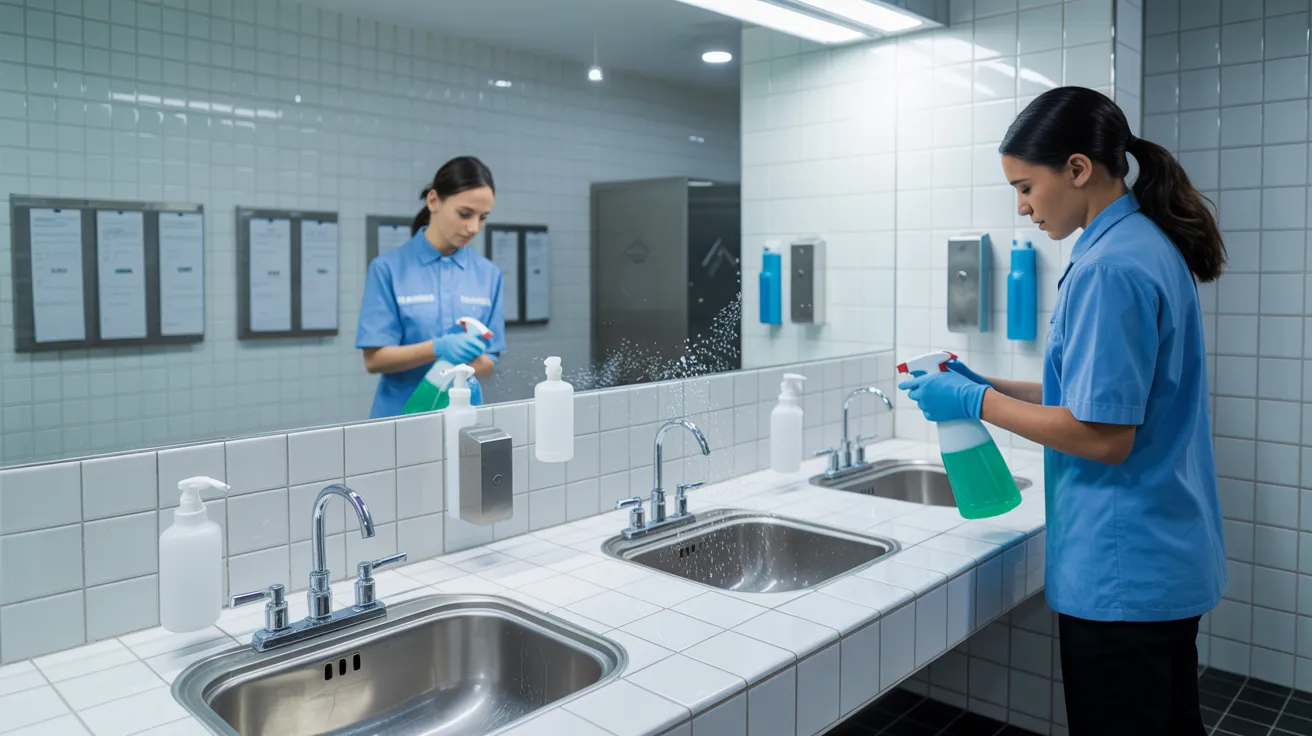
In restrooms, cleaners disinfect contact surfaces, bathroom hardware, partition walls, accessory dispensers, and receptacles then restock supplies and control odours. They also maintain restaurant cleaning supply rooms where product storage, sink cleanliness, and drain systems impact daily sanitation standards and worker protection.
Food Safety Cleaning Significance for Brampton Businesses
Brampton facilities require proper hygiene standards to fulfill health code requirements and pass inspections. You also reduce cross-contamination by cleaning and sanitizing food-contact surfaces, equipment, and high-touch areas correctly. Most importantly, you help protect public health by lowering the risk of foodborne illness in your facility.
Regulatory Code Requirements
Food companies in Brampton face stringent health requirements, making food safety cleaning vital to satisfying health code requirements, safeguarding patrons, and avoiding enforcement action. You must maintain sanitary food-contact surfaces, recorded sanitation plans, correct sanitizer application, and documented employee protocols that comply with municipal and provincial inspection expectations.
During inspections of your operation, regulators evaluate if your hygiene protocols ensures safe storage, tool sterilization, garbage disposal, and restroom sanitation.
Cross-Contamination Prevention
Maintaining regulatory compliance copyrights on your capacity to prevent cross-contamination during everyday food preparation and sanitation. You must separate raw ingredients from ready-to-eat foods, sanitize prep surfaces between tasks, and position cleaning agents away from food surfaces. Clear procedures reduce transfer risks and support consistent compliance during inspections.
Implementing allergen separation helps keep priority allergens from contacting communal work zones, bins, or devices. Deploy dedicated cutting boards, color-coded tools, and strict utensil labeling so staff don't mix items during preparation or service. Enforce hand hygiene following fresh proteins, aquatic items, egg products, or allergen materials. Replace wiping cloths regularly, and validate disinfectant levels using test strips. When you train staff to follow these controls every shift, you create a cleaner, safer operation that satisfies Brampton's food safety needs regularly.
Public Wellness Defense
When sanitation efforts deteriorate, you don't only risk a failed inspection—you raise the likelihood of food contamination striking customers, staff, and the larger Brampton community. You also weaken your role in protecting public health, especially in busy food facilities where pathogens travel quickly through surfaces, equipment, and touchpoints.
You require cleaning protocols that remove contaminants, sanitize effectively, and validate outcomes. This involves maintaining exposure durations, using authorized sanitizers, documenting procedures, and coaching employees to satisfy health-unit expectations. These measures prevent pathogen control by minimizing pathogens before contaminating food or hands. Throughout Brampton, strong cleaning protects vulnerable communities, reduces outbreak risk, and proves accountability. When you follow proper protocols, you go beyond requirements—you lower hazards and enable safer food service throughout the area.
Why Is Cleaning Essential for Food Safety Compliance?
Adopting comprehensive cleaning schedules secures food safety compliance by minimizing contamination hazards, preventing pathogen multiplication, and ensuring your facility complies with sanitation requirements under HACCP-based programs and public health regulations. You confirm that contact surfaces are visibly clean and microbiologically controlled, facilitating documented preventive controls and inspection readiness.
Cleaning programs additionally bolster allergen prevention by removing residues that can cause undeclared allergen exposure.
How Should You Arrange Commercial Cleaning Work?
regular regular cleaning
Arrange cleaning prior to and following promotional, catering, or public functions, or gatherings for smooth event transitions.
What Should You Look For in Brampton Cleaning Experts?
Screen providers initially by their food hygiene standards—not budget alone. You need to verify that every company meets CFIA, public health, and HACCP-aligned expectations for your operation. Demand insurance verification, WHMIS compliance, training records, and management systems. Evaluate technician knowledge of cross-contamination risks, chemical safety, and documented sanitation practices.
You should further examine operational reliability and answerability. Request testimonials from Brampton food businesses, then review reply speed, corrective action plans, and communication standards. Validate the company facilitates supplier audits and can present inspection-ready documentation to authorities or third parties. Confirm equipment is maintained, colour-coded tools are used appropriately, and site-specific hazards are identified. A experienced service protects compliance, product quality, and your reputation in the market.
What does a cleaning and sanitation plan consist of?
Write out a framework that defines every sanitation activity, guideline, and role before starting production. You should include cleaning frequencies, approved chemicals, dilution rates, contact times, tools, and verification detailed guide methods for each zone, surface, and piece of equipment. Ensure you include pre-operational inspections, corrective actions, and employee training requirements.
Your strategy should also focus on contamination prevention controls, waste handling procedures, pest management measures, and written schedules for restrooms, drains, floors, and food-contact areas. Describe how you'll keep raw and ready-to-eat processes separate, support ingredient tracking, and maintain accurate allergen labeling through validated cleaning between product changes. You should set accountability, maintain signed records, and review results against regulatory standards, HACCP controls, and customer requirements. When gaps appear, update procedures immediately and retrain staff.
Commonly Requested Inquiries
Can sanitation providers accommodate overnight shifts in Brampton properties?
Yes, you can arrange cleaning services to accommodate nighttime operations in Brampton facilities. You'll organize overnight sanitation around operational windows, security protocols, and staffing levels. Providers generally create nighttime procedures to minimize disruption, maintain standards, and track completed work. You should confirm arrival schedules, management, lockout protocols, and waste management before starting service.
Are hazard containment services provided from Brampton cleaning experts?
Yes, you can locate Brampton sanitation experts providing hazard containment options. They handle hazardous incidents, evaluate risks, contain affected zones, and begin swift decontamination to minimize exposure and avoid operational impact. You should confirm timeframes, certifications, safety protocols, and waste procedures. If your facility must meet compliance standards, pick a provider that tracks incidents, follows procedures, and ensures audit compliance.
Do plant-based disinfectants perform safely on surfaces contacting food?
Yes, green disinfectants can be appropriate for food preparation areas if you opt for items marked food-safe and regulatory compliant. You should validate exposure duration, dilution rates, and rinse requirements before use. Many plant based formulas reduce harsh chemical exposure, but you should gather demonstration of efficacy against target microorganisms. To ensure residue-free conditions, you should follow manufacturer instructions exactly and confirm the disinfecting agent meets applicable food industry sanitation standards.
Can cleaning schedules be customized for seasonal shifts?
Yes, you can modify sanitation programs for seasonal variations. You should modify intervals, staffing, chemicals, and confirmation procedures to match production rhythms while preserving regulatory adherence. You'll reduce equipment downtime by timing cleaning around changeovers, peak seasons, and usage cycles. You should additionally update SSOPs, employee training, and environmental monitoring to reflect transient threats, emerging allergens, or elevated soil levels. Ongoing evaluations ensure your program functional.
Do professional cleaners coach staff members in proper hygiene techniques?
Absolutely, professional cleaning companies regularly deliver staff training on hygiene standards. Your team gets training on correct chemical handling, contact times, cross-contamination prevention, machine takedown, and documentation. They typically align instruction with HACCP, GMP, and CFIA or local public health standards. Many also perform sanitation audits to ensure adherence, pinpoint weaknesses, and reinforce corrective actions. This helps you maintain consistent procedures, clear audits, and reduce food safety risks consistently.
Final Thoughts
Partnering with Brampton food safety and commercial cleaning experts means more than cleaning—it ensures your facility stays inspection-compliant and your protocols remain compliant. From kitchen areas to production zones, each sanitized surface and organized section lessens contamination risk and avoids costly disruptions. By arranging service on appropriate schedules and executing a comprehensive cleaning strategy, you shield staff, clients, and your image. In a tightly controlled market, clean environments can't be overlooked—they're critical to business success.